

There’s a big difference between selling Ford Performance vehicles and building a Ford Performance brand.
A dealership can stock RTR, Shelby, Roush, Hennessey, Black Widow, Raptors, Mustangs and performance parts, but that doesn’t automatically make it a performance destination.
We’ve helped build several Ford Performance departments over the years, and one of them has grown into a "business within the business" generating roughly $2.5-$3M annually.
It didn’t happen overnight though. It started with 10-15 vehicles and the decision to treat Performance like its own brand instead of another inventory category.
If I had to break down what we’ve learned from the marketing, branding and advertising side, it would look something like this:
1. Build the brand.
This was probably the first important distinction we made. We weren’t trying to market a handful of cool vehicles sitting at a Ford dealership. We wanted Performance to have an identity of its own. A name, a look, a voice and dedicated social channels where an enthusiast could land and immediately recognize that the people behind it actually understood this world. The Ford dealership was still behind it, of course, but Performance needed to feel like a destination within the dealership rather than another inventory category.
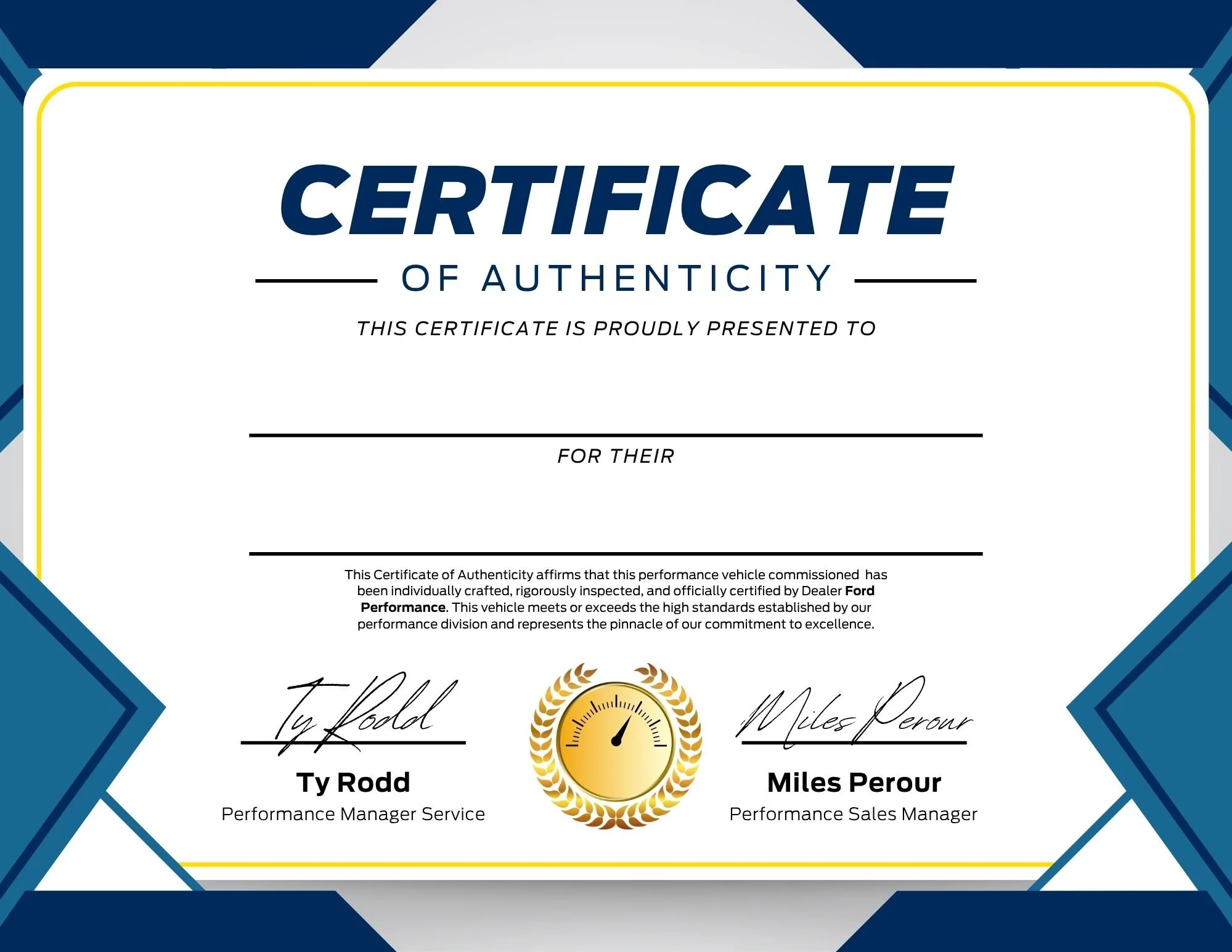
A custom certificate of authenticity for performance customers to take at the time of delivery.
2. Build a real digital destination.
Traditional dealership websites are built to do a lot of things well, but explaining Performance usually isn’t one of them. An enthusiast looking at a build wants to know more than price, mileage and availability. They want to understand the package, the horsepower, the suspension, the wheels, the exhaust, the tune and why any of it matters. Eventually we realized we needed a standalone Performance website where we had the freedom to tell those stories properly. It became less of an inventory website and more of a place someone could spend time learning what was possible.
3. Turn the dealership’s knowledge into content.
This is probably the unseen opportunity I see inside more dealerships than anything else. There’s usually somebody in the building who can talk performance tuning and performance upgrades for hours on end, but none of that knowledge exists anywhere outside the dealership. We started putting those people on camera. Test drives turned into videos. New builds became walkarounds. Questions customers asked at the store became explanations online. Before long, the same knowledge that used to exist in one person’s head was working for us on the website, social media, YouTube and in advertising. We essentially made the dealership’s expertise searchable.
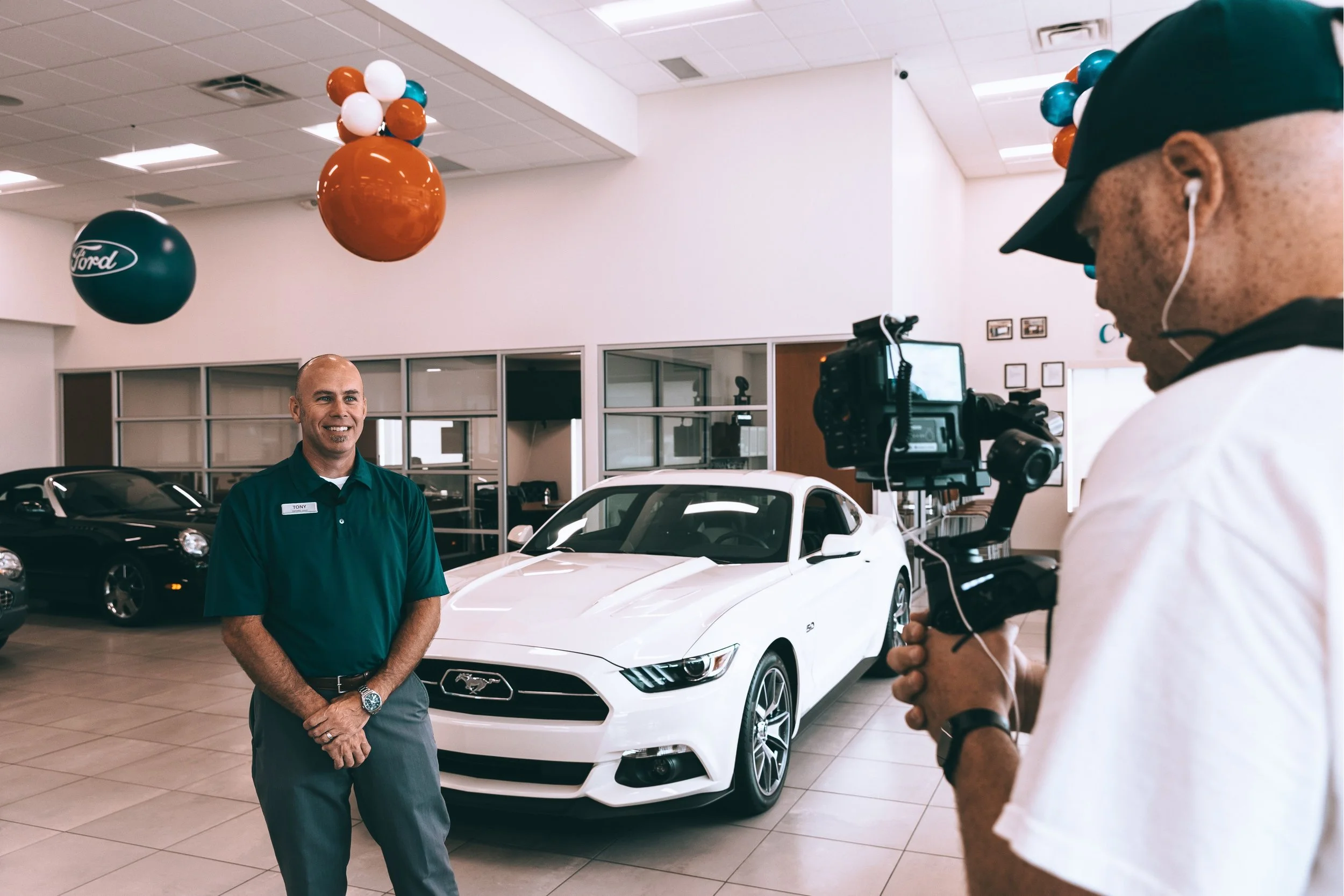
Spotlight the performance team on video for added brand recognition.
4. Don’t just market the vehicles. Market what you can do to them.
At some point we realized the opportunity was much bigger than selling the vehicles sitting on the lot. There are thousands of Ford owners in every market who already own the vehicle they love. They just want to make it better. So we started talking about the things the department could actually do: cosmetic upgrades, engine work, suspension, wheels and tires, tunes, exhaust and everything in between. That completely changes the size of the potential customer base. Someone doesn’t have to be shopping for a $70,000 vehicle to become a Performance customer. Sometimes the relationship starts with an upgrade on the Ford already sitting in their garage.
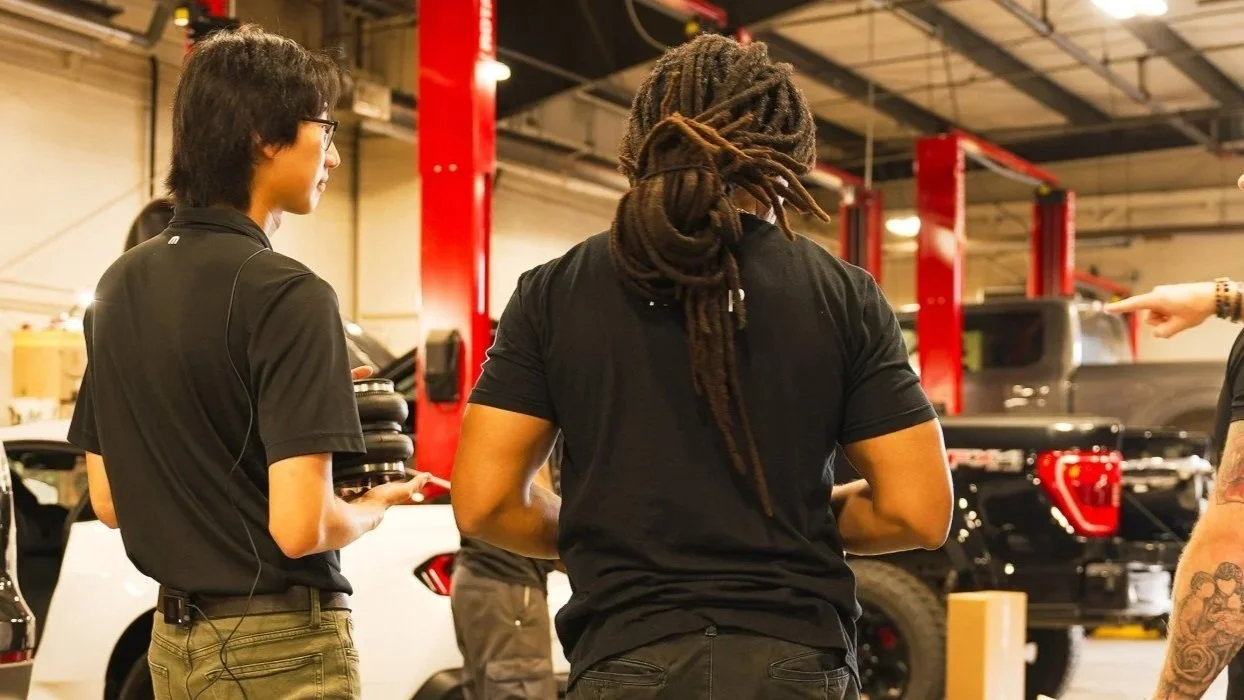
Get in the shop, show off what the dealership is working on.
5. Stock inventory enthusiasts fall in love with.
One thing we learned pretty quickly is that interesting inventory creates its own gravity. A unique color, the right wheel and tire combination, an unusual package or a build someone hasn’t seen 15 times already gives you something worth talking about. It also changes the buying conversation. Performance vehicles are emotional purchases, and when someone finds the exact vehicle that makes them stop scrolling, save the post and send it to their spouse, you’re in a much different position than when they’re comparing five nearly identical vehicles by price. The more unique the build, the quicker it can move.
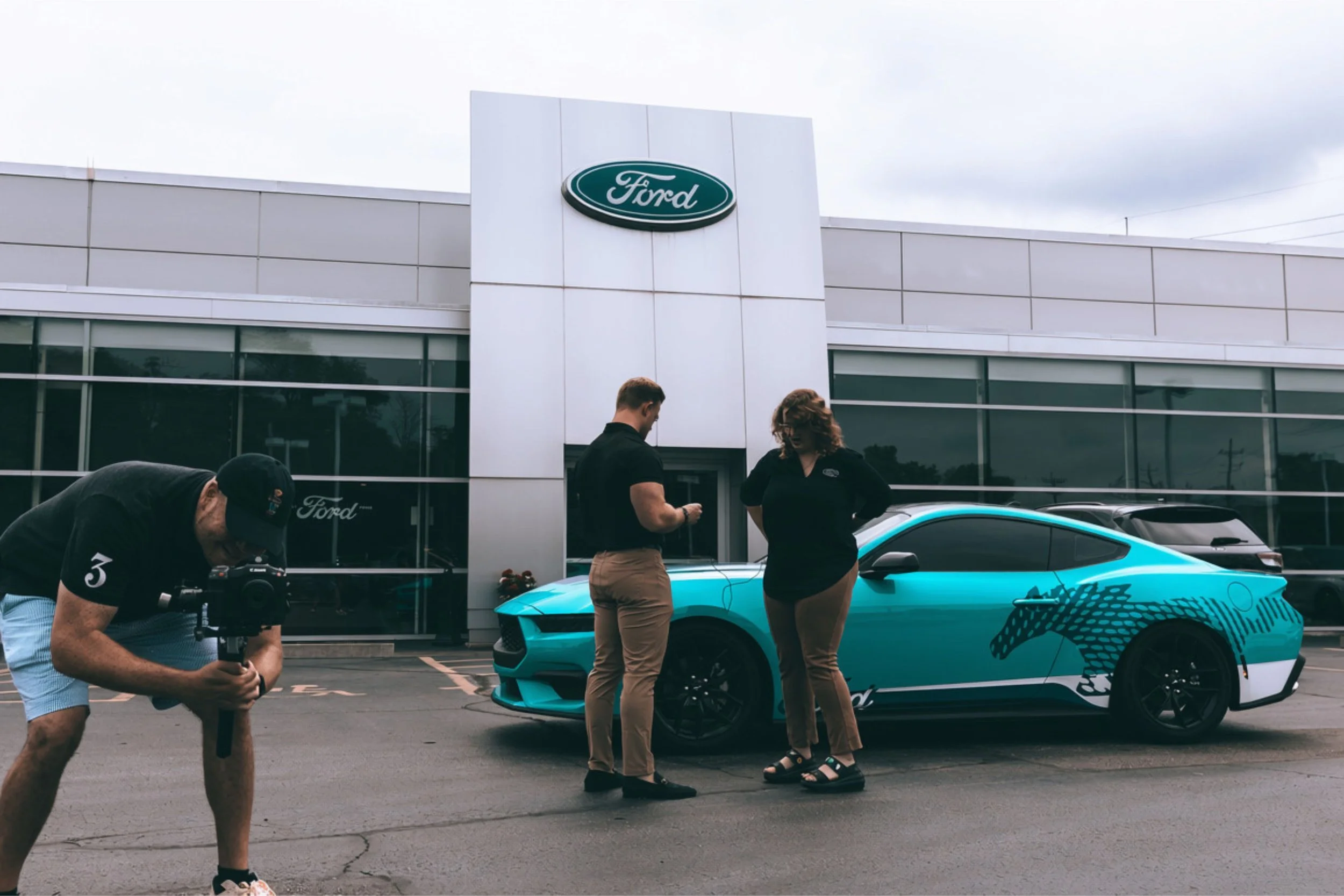
Document every exciting project to keep your audience engaged.
6. Build community, not just campaigns.
Our first enthusiast event had approximately 35 cars show up. One of the latest brought nearly 500 people. That didn’t happen because we suddenly figured out a better Facebook ad. It happened because over time, people started associating the dealership with the Performance community. Cars & Coffee, night meets, owner events and launches gave people a reason to interact with the brand even when they weren’t shopping for anything. Eventually the dealership stopped being the company trying to advertise to the community and became part of the community itself.
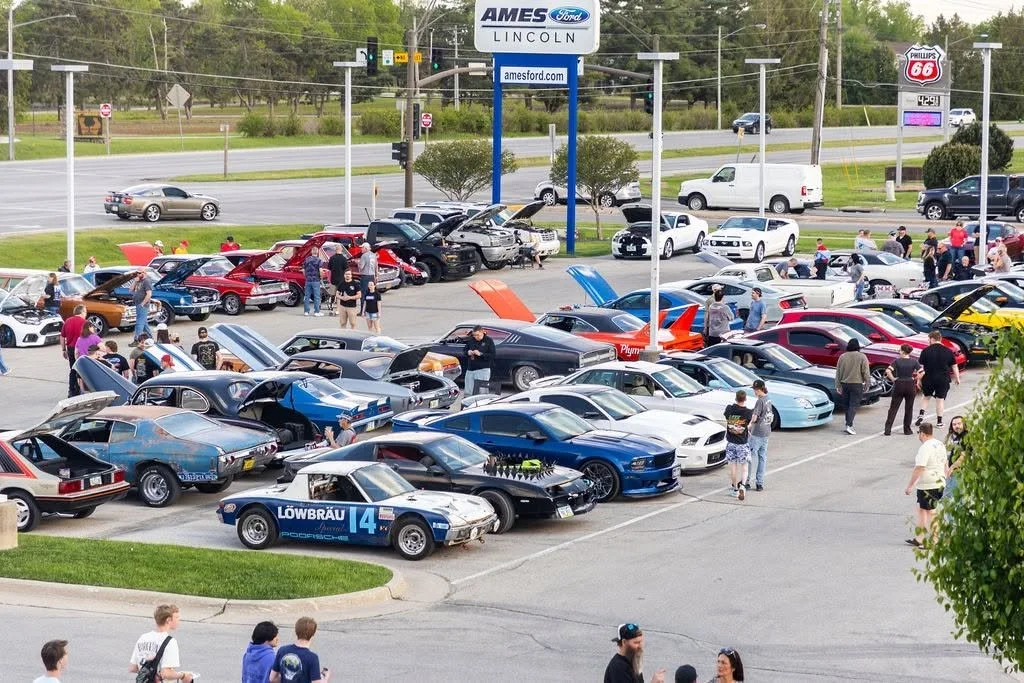
Host events for the community to attend, show off their ride, and build relationships with other gear-heads.
7. Put paid media behind the ecosystem.
This is where advertising gets a lot more interesting. Once all of these other pieces exist, you’re no longer trying to build an entire marketing strategy around an ad that says, “We have a Mustang.” Now we can advertise a specific build, an Explorer ST tune, a new Performance package, an event, an educational video, a service upgrade or a vehicle someone on the team just drove and reviewed. Enthusiasts tend to tell us exactly what they’re interested in through their online behavior, so we can get pretty specific about who sees what. The advertising works better because there’s finally something interesting behind the ad.
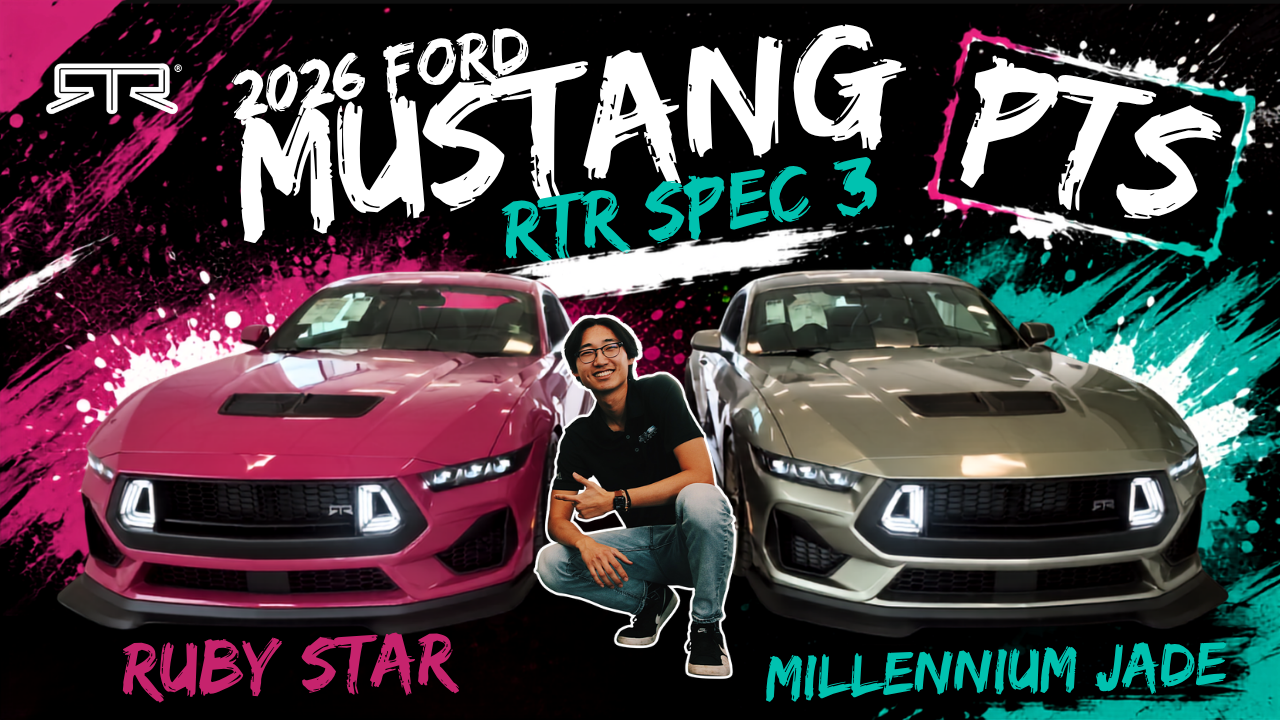
Have fun with your creative. Try new things and be different.
8. Build the right team inside the dealership.
None of this works if the capability inside the store isn’t real. You need the advisor who genuinely enjoys talking to these customers. You need technicians who know what they’re doing. You need somebody comfortable enough to become a face of the brand, and you need leadership willing to keep investing as the department proves itself. Marketing can amplify something that already exists, but it can’t manufacture expertise or enthusiasm that isn’t there. When the operational side and the marketing side finally start feeding each other, that’s when it becomes something much bigger.
That’s really the part of this story that interests me most. You stop having a Performance “section” of the dealership and start building a completely separate revenue stream.
The department I’m referencing now produces roughly $180,000/month in service gross alone, before adding another 5-15 Performance vehicle sales in a typical month.
It took years to build. The website didn’t do it. Facebook didn’t do it. YouTube didn’t do it. Inventory didn’t do it. Events didn’t do it. The technicians didn’t do it.
The ecosystem did.
That’s the opportunity I think a lot of Ford dealers are sitting on without realizing it.
You may already have the inventory. You may already have the technician. You may already have the enthusiast working inside your store.
The question is whether you’re actually building the brand around them or not. If you do it right, it can be a honey-hole.